What is Incisionless Otoplasty?
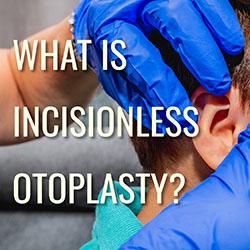
Otoplasty is a plastic surgical procedure that improves the position, shape, size, and symmetry of the ears. Incisionless Otoplasty is a minimally invasive technique that can be used in certain patients to correct the prominence of the upper portion of the ears. While not applicable to all imperfections of the ear, incisionless otoplasty limits the scarring on the back of the ear which can be advantageous in patients with a tendency toward unsightly or hypertrophic scarring.
Common Myths About Otoplasty Busted

Otoplasty, commonly referred to as ear pinning, is a standard plastic surgical procedure that corrects the ears’ position and shape. Otoplasty involves incisions, tissue manipulation, and cartilage reshaping/removal.
Much like other plastic surgical procedures, otoplasty has been subject to various misconceptions. In this post, we’ve busted the common myths about otoplasty.
Shortening, Inflating and Re-piercing Deflated, Saggy Earlobes
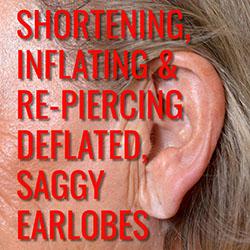
Are your ears starting to sag or look deflated? Just like in other parts of your body, gravity always wins! (At least temporarily.) At some point, your earlobes may start to lose their firmness and elasticity and appear droopy and/or deflated. If you are not happy with how they look, you may want to consider a form of otoplasty in order to shorten and/or inflate your earlobes.
How Do You Shorten a Droopy Earlobe if There is a Piercing in the Way?

As with any other part of our body, our ears age, and deformities can develop over time. Although the ears are made of flexible fatty tissue, your earlobes will not be as sturdy or stiff as the cartilage on your nose or the upper parts of your ear. Because of this, it can be easily torn or stretched.
Other than aging and trauma, hanging or droopy earlobes (earlobe ptosis) can also be genetically inherited.
However, there are several ways for you to have your droopy earlobe treated that require that you consult an otoplasty surgeon.
Repair of Partial and Total Ear Amputations
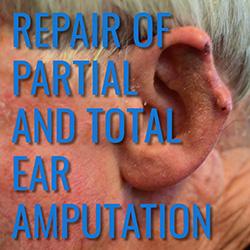
Have you ever seen anyone who was missing a part or all of the ear? There are many ways an ear gets partially or totally amputated. But did you know that otoplasty can repair this condition for you?
What are the Reasons for Ear Amputation?
What to Do if You are Unhappy with Your Otoplasty?

So your ears stuck out and you had an operation and you’re still not happy. What’s the deal?
Otoplasty is a procedure that corrects deformities of your ear, most commonly ears that stick out too far. It is generally a safe, reliable procedure but there are times when complications occur or the patient is simply not happy with the result. Maybe the ears are now too close to the head. Maybe there are lumps and bumps that you don’t like. If you find yourself in a similar situation and are unhappy with the outcome of your ear surgery, what should you do?
Correction of Over Corrected Ears: Understanding Reverse Otoplasty
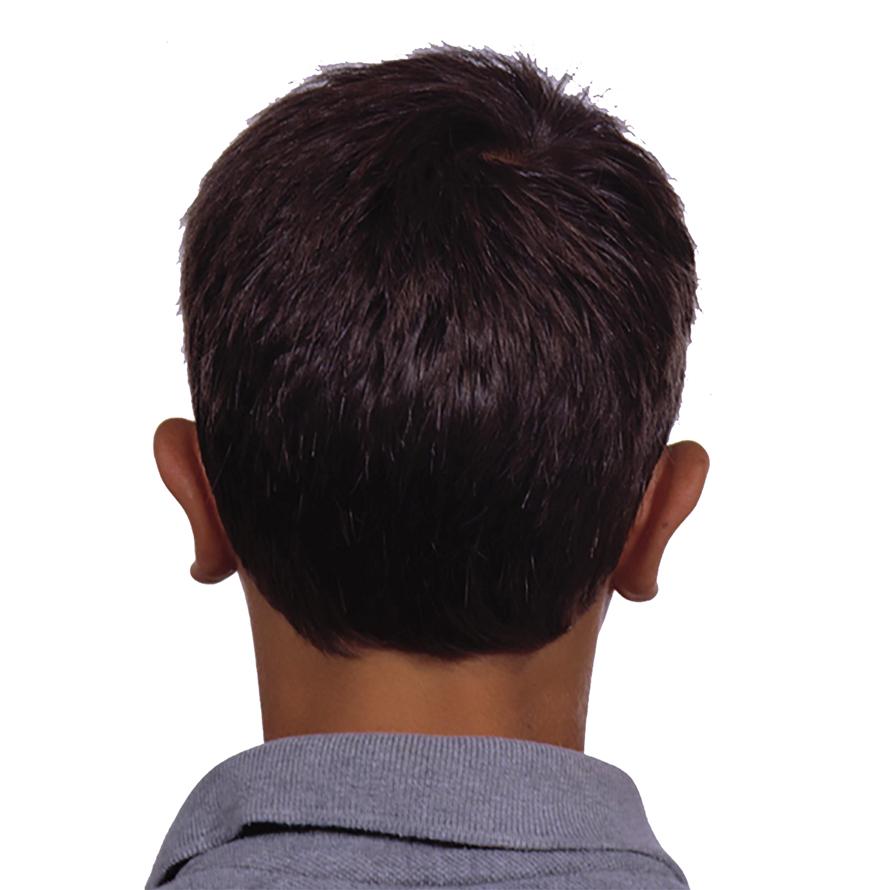
Otoplasty is one of the procedures where you can instantly see the changes in the appearance of the ear. However, you might see ears that are pinned too far back to the head. This can ultimately lead to unwanted results and disappointment. If this happens, though, several otoplasty techniques that can be taken to correct it. One of these is Reverse Otoplasty.
Post-Traumatic Ear Deformities
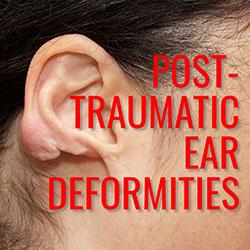
One would usually choose to undergo otoplasty to correct their ear deformities. But what causes these malformations in the first place? One thing that could cause it is the abnormal development of a person’s ear from birth. It is called a congenital ear deformity. Another reason could be due to a disease or a genetic disorder.
Did you know that it is also possible for the ear to develop deformities because of an injury? It is called post-traumatic ear deformity.
Correcting “Question Mark Ears” with Otoplasty?
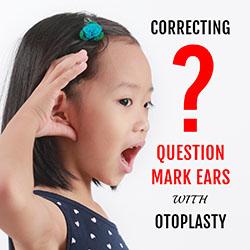
Do you or someone you know have an ear shaped like a question mark? Ears come in every conceivable shape and size but one rare ear malformation is call the Question Mark Ear.
It looks like a question mark because there is an indentation between the upper two thirds of the ear and the earlobe, causing the outline of the ear to appear like a question mark. In some cases the upper portion of the ear is larger than normal which makes the question mark similarity even more striking. Don’t count on seeing too many of these; they are quite rare.
Removing Ear Skin Tags with Otoplasty
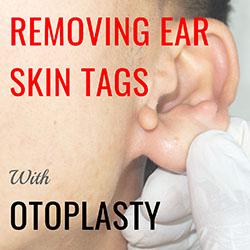
Have you ever seen an extra growth of flesh on, or just in front of, your ear or someone else’s? Those bumps are more than just skin tags; they usually contain skin and cartilage (and the cartilage component can go quite deep into the cheek). In some cases there is an associated tiny opening the leads to a cavity under the skin. These bumps are called pre-auricular skin tags.